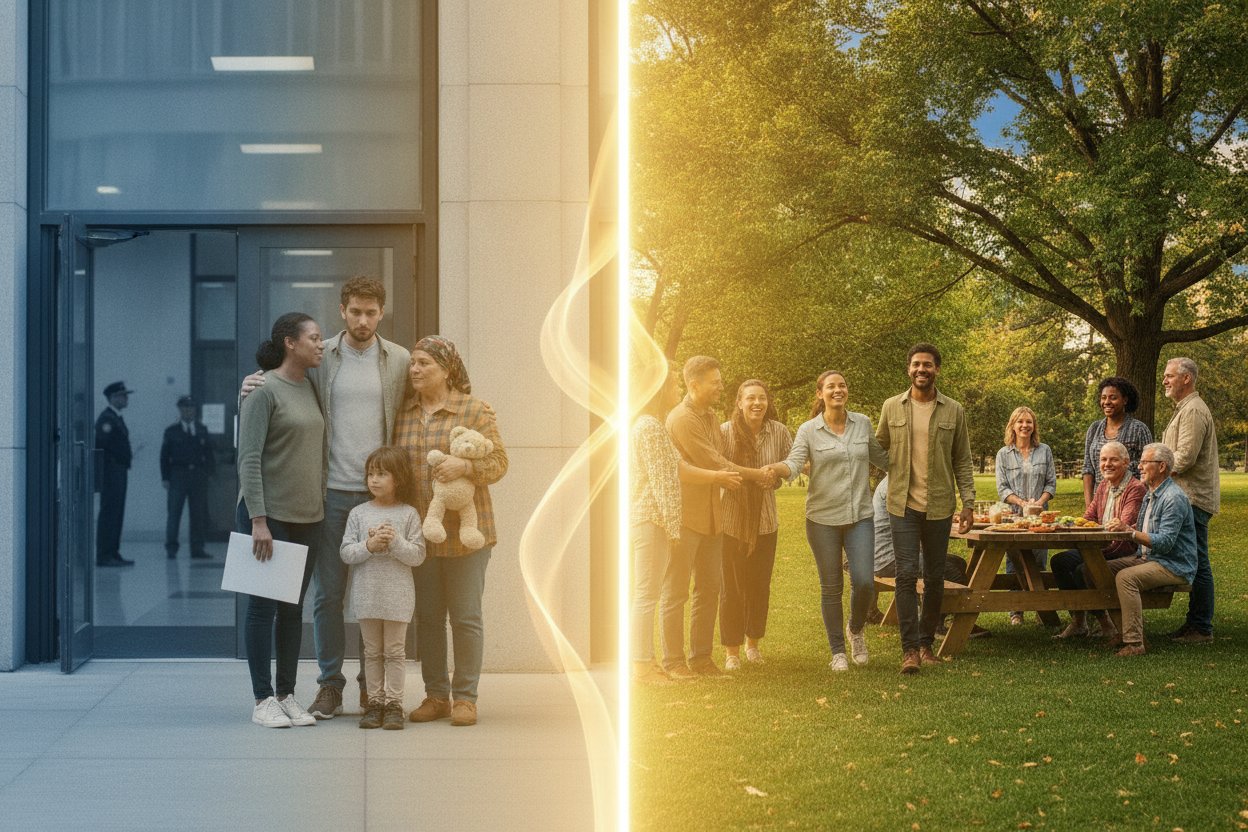
A person may have been born in a country, grown up there, and built a family there, yet still not be recognized as belonging anywhere. On October 14, 2024, as the UN Refugee Agency concluded its decade-long campaign to end statelessness, officials warned that millions remain invisible in the eyes of the law (UNHCR, 2024). As one official statement explained: “To be stateless is to be invisible, to be a ghost in the eyes of the law, denied the most basic rights that most of us take for granted.”
Statelessness is a man-made legal vacuum. It can result from discriminatory nationality laws, changes in national borders, or failures in official records. Without citizenship, people may be unable to attend school, receive medical care, work legally, open an account, travel, or marry under the law. Although governments and aid organizations have made important efforts to help, many people remain trapped outside the protection that a homeland should provide.
Statelessness Worldwide (UNHCR, 2024):
- Legally unrecognized: At least 4.4 million people in 95 countries are officially recorded as stateless, although the real total is believed to be significantly higher (UNHCR, 2024).
- Limited progress: More than 500,000 stateless people acquired a nationality through legal initiatives during the previous decade (UNHCR, 2024).
- Without home or country: About 1.3 million stateless people are also forcibly displaced (UNHCR, 2024).
- Unequal laws: In 24 countries, laws still prevent mothers from passing nationality to their children on the same basis as fathers (UNHCR, 2024).
- Minorities affected: An estimated 75% of known stateless populations belong to minority groups (UNHCR, 2024).
Why Human Efforts Fall Short
Citizenship is controlled by human governments, each with its own laws, records, borders, and political interests. A person can be excluded because of ancestry, language, religion, or the place where relatives were born. Even when one country changes its laws, neighboring countries may not do the same. Those who have fled conflict or persecution can face an especially painful situation: no secure home and no country that fully recognizes them.
Deuteronomy 10:17, 18
God’s view of people is very different from systems that rank human worth by nationality or background. He sees those who are easily ignored and cares about those who lack protection. The persistence of statelessness shows that human institutions, despite sincere legal reforms, have not been able to ensure equal recognition and security for everyone.
A Government That Shows No Partiality
God’s Kingdom will bring a form of rule that is not limited by changing borders or unequal human laws. Its King, Jesus Christ, will govern with complete justice. No minority group will be treated as less worthy, and no person will be left outside the care and protection of that government.
Acts 10:34, 35
This assurance reaches beyond the divisions that governments have created. Under God’s rule, people from every background will be valued equally. Instead of being made invisible by official decisions, each person will be known, welcomed, and treated fairly.
A Secure Place to Belong
Stateless people often live with the fear that they could lose the little stability they have. God’s purpose is not for people to remain without a secure place in the world. The Bible promises peaceful conditions in which people can live safely and enjoy lasting security.
Isaiah 32:18
Legal aid, fair nationality laws, and accurate registration can bring meaningful help now. Yet the UNHCR’s decade-long effort shows how deeply statelessness is tied to the limits of human government (UNHCR, 2024). God’s Kingdom will remove the injustice and exclusion that leave people without protection, giving all people a secure place and the dignity of truly belonging.